Garden design and build in Temple
If you are looking for garden design and build in Temple, you may already know that a great outdoor space does not happen by chance. It takes thoughtful planning, practical build knowledge, and a clear understanding of how you want to use your garden day to day. Whether you have a compact town garden, a longer family plot, a front garden that needs kerb appeal, or a commercial outdoor area that should work hard all year round, the right approach can make a noticeable difference.
Temple properties can vary quite a lot, from older homes with established boundaries to newer developments with tighter access and more modern layouts. That variety is exactly why a local service matters. A team that understands Temple and the surrounding area can plan for access, parking, drainage, soil conditions, storage for materials, and the practical realities of working on residential and commercial sites. The result is a garden that looks considered and works properly for your everyday life.
Our approach to garden design and build Temple projects is straightforward: listen to what you want, assess the space properly, shape a design that suits the property, and carry out the build with care. Some clients want a complete transformation. Others need specific improvements such as a new patio, better planting structure, raised beds, a lawn replacement, or a low-maintenance layout that still feels inviting. Whatever the scale, the aim is the same: create an outdoor space that feels finished, usable, and right for the location.
Garden design and build for homes and businesses in Temple
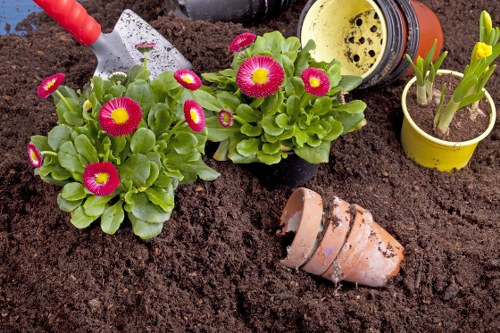
Temple homeowners often want a garden that balances style with everyday practicality. That might mean space for children to play, an area for entertaining, somewhere for pets, or simply a layout that is easier to maintain through the year. A good design does not add features for the sake of it; it makes sure every part of the garden has a purpose and feels connected to the whole space.
Commercial customers in Temple also benefit from a well-planned outdoor area. Offices, hospitality spaces, shared housing, schools, healthcare settings, and other business premises often need outdoor spaces that are welcoming, durable, and easy to manage. In these settings, materials, planting choices, access routes, and maintenance needs matter just as much as appearance. A sensible design helps make the space attractive without creating unnecessary upkeep.
Because local properties can have limited side access, narrow gateways, uneven ground, or shared boundaries, build planning is important from the start. Good garden design and build work takes into account how materials will be brought in, where waste will be removed, and how to protect surrounding surfaces and neighbouring areas during the job. This practical thinking saves time and reduces disruption.
What a garden design and build service usually includes
A well-run garden project is more than just planting and paving. It combines design thinking, site preparation, hard landscaping, soft landscaping, and finishing details that bring the space together. The exact scope depends on your garden, your budget, and how you want to use the area, but many Temple projects include a combination of the following elements.
Typical garden design and build services include:
- Initial site visit and discussion of your goals
- Review of the existing space, access, and levels
- Concept ideas and layout planning
- Patio and paving installation
- Pathways, steps, and edging
- Decking, pergolas, or seating areas
- Lawn installation or lawn replacement
- Raised beds, borders, and planting design
- Fencing, screening, and boundary improvements
- Drainage considerations and ground preparation
- Lighting preparation and feature placement
- Clear finishing and site tidy-up
Some clients want a full start-to-finish transformation, while others come to us for a staged project. For example, you may want the structural work completed first and the planting added later, or you may choose to update the patio and lawn now and improve the borders in a second phase. A flexible local team can help you prioritise the right work in the right order.
How the process works
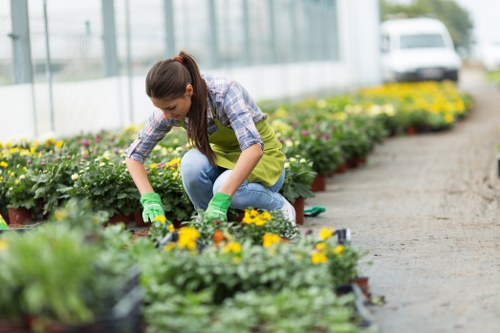
The best outdoor spaces are usually built from a clear process. That does not mean the experience has to feel complicated. In fact, a good local service should make the journey easier by keeping each stage understandable and practical. If you are considering a garden design and build in Temple, here is how the project often unfolds.
First comes the conversation. This is where you share what you would like to change, what you dislike about the current garden, and how you plan to use the finished space. It can help to think about the simple things that matter most: relaxing, entertaining, gardening, storage, parking sightlines, child-friendly surfaces, or low maintenance. The clearer the brief, the better the design can reflect your needs.
Next, the site is reviewed properly. The shape of the plot, the levels, drainage, orientation, access, and any existing features are all assessed. For Temple properties, this step is especially important because gardens can range from straightforward open plots to spaces with difficult access or awkward boundaries. Good planning at this stage helps avoid delays later on.
After the design direction is agreed, the build phase begins. Depending on the project, that may involve clearing the site, preparing the ground, installing retaining features, laying the patio, setting paths and steps, constructing timber or masonry elements, and then finishing with soil, turf, plants, and tidy borders. Throughout the build, attention to detail matters because it affects both appearance and durability.
Planning a garden that suits Temple properties
Temple has a mix of property styles, and that means no two garden projects are exactly alike. Some homes have generous rear gardens with scope for zoning, while others need smart use of a compact footprint. Local commercial premises may have a courtyard, frontage, or shared outdoor access that needs practical improvement rather than a dramatic overhaul. The right design should match the property rather than fight against it.
Space planning is often the biggest difference between a garden that looks nice and a garden that genuinely works. A layout can create distinct areas for dining, play, planting, storage, and circulation without making the garden feel chopped up. Even a small garden can feel more generous if the right materials, lines, and planting structure are used. On larger sites, the design can introduce stronger features, more depth, and a better flow from house to garden.
Good garden design also considers the feel of the space across the seasons. A lawn can provide balance and openness, but not every garden needs a large one. In some cases, paving, gravel, hardy planting, and structural beds create a cleaner and more manageable result. If you want more greenery, planting plans can be tailored to include colour, texture, scent, pollinator-friendly choices, or evergreen structure for year-round interest.
Hard landscaping and build features
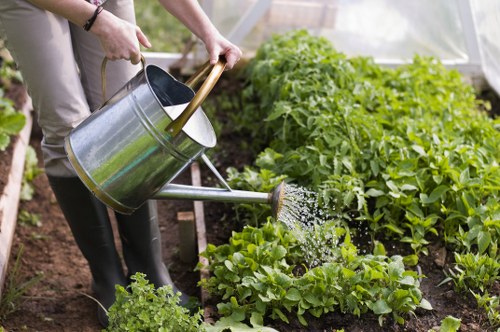
Hard landscaping forms the backbone of many garden projects. It is what gives the garden its shape and practical use. In Temple, this often includes patios, paths, steps, retaining walls, edging, drive-side planting, and seating areas that create usable outdoor rooms. When these features are built properly, they improve not only the appearance of the garden but also how safe and convenient it is to use.
A patio can create a natural extension of the home, especially if it connects well to the kitchen or living area. Paths can improve movement through the garden and protect lawns or borders from wear. Steps and level changes can be handled in a way that feels deliberate rather than awkward. Retaining structures and edging help keep materials where they should be and make maintenance easier later on.
Material choice matters as much as layout. Natural stone, porcelain paving, block paving, timber, gravel, composite surfaces, and brickwork each bring a different look and level of upkeep. The right option depends on your taste, the age and style of your property, how much maintenance you want, and how the area will be used. A local team can help explain the practical differences clearly, so you can make a confident choice.
For many Temple customers, durability is just as important as style. A surface that looks good on day one but performs poorly in wet weather or becomes difficult to maintain is rarely a good long-term solution. A properly built garden should feel solid underfoot, drain well, and stand up to regular use by family members, visitors, or staff.
Soft landscaping and planting that brings the design to life
Soft landscaping gives the garden its atmosphere. It includes turfing, planting, soil improvement, hedge work, borders, and the green structure that softens paved and built areas. Once the practical features are in place, planting can turn a functional layout into a place that feels calm, welcoming, and complete.
Planting should be chosen with the site in mind. That means considering sun and shade, wind exposure, soil type, watering needs, and how much maintenance you want to take on. Some Temple customers prefer low-maintenance planting with strong evergreen structure and occasional seasonal colour. Others want a richer mix of flowering plants, shrubs, and layered borders that change through the year. There is no single right answer, only the right fit for your space and routine.
Useful soft landscaping options often include:
- Fresh turf or lawn renovation
- Wildlife-friendly planting areas
- Evergreen screening for privacy
- Border reshaping and soil improvement
- Raised planters and feature beds
- Hedge planting and boundary softening
- Seasonal colour for visual interest
Where appropriate, planting can also help with privacy and shelter. This is especially useful in properties with overlooked gardens, open boundaries, or outdoor areas that are visible from adjacent homes or business premises. The aim is to make the garden feel more comfortable to use without creating a high-maintenance burden.
Why local knowledge matters in Temple

Choosing a local team for garden design and build in Temple is about more than convenience. It means working with people who understand how local properties are laid out, how access often works, and which practical issues commonly affect outdoor projects in the area. That knowledge can make planning smoother and the finished result more appropriate to the setting.
Parking and access are often key concerns. Some Temple homes have limited frontage, narrow driveways, shared access routes, or restricted places to unload materials. Commercial properties may need work completed without disrupting staff, customers, or daily operations. A local service that has handled similar conditions before can plan deliveries, timings, and site setup more effectively.
Local understanding is also useful when it comes to drainage and ground conditions. Even where the garden seems simple at first glance, the way water moves across the site can affect patio performance, lawn health, and the long-term stability of features. Careful preparation helps reduce future problems and supports a better finish.
Working locally often means easier communication too. If you need to discuss changes, clarify details, or phase a project over time, it helps to have a team that is nearby and familiar with the area. That practical relationship can make the whole process less stressful and more efficient.
What to consider before you start
Before beginning a garden project, it is worth thinking carefully about how you use the space now and how you want to use it in the future. Many people know they want a better garden but are not sure how to brief it. A few simple questions can help turn a rough idea into a useful plan.
Useful questions to ask yourself:
- Do I want a low-maintenance garden or something more planted?
- Will the space be used for entertaining, family time, pets, or quiet relaxation?
- Do I need more storage, better paths, or improved access?
- Is privacy an issue from neighbouring properties?
- Do I want a full redesign or just one or two key improvements?
- How much of the garden should be paved, planted, lawned, or decked?
- Are there existing features worth keeping or reworking?
It can also help to gather a few pictures of styles you like, though the final design should always be tailored to your actual garden rather than copied from somewhere else. A good builder will explain what is realistic for the site and suggest practical alternatives where needed. That way, the finished result stays attractive and workable.
For customers who are planning ahead, it is worth considering how the garden will look in different seasons. A design that works only in summer may feel bare in winter. By combining structure, planting, paving, and texture carefully, you can create a space that feels good for more of the year.
Preparation checklist for your project
If you are getting ready to request a quote or book a site visit, a little preparation can make the process smoother. You do not need to have every detail worked out, but having a clear starting point is useful.
Preparation checklist:
- Measure the approximate garden size if you can
- Note the features you want to keep, remove, or replace
- Think about how you want to use the space day to day
- List any access issues, locked gates, or parking limits
- Tell the team about shared boundaries or neighbour considerations
- Gather examples of materials or layouts you prefer
- Decide whether the project needs to happen all at once or in stages
This preparation is helpful whether your project is a small courtyard upgrade or a larger full-garden redesign. It allows the design conversation to focus on the right details and helps the build team plan resources effectively. If you are a commercial customer, it also helps identify any site rules, operating hours, or access constraints early on.
Pricing factors and what affects the quote

Every garden project is different, so pricing is usually shaped by the size of the area, the amount of preparation needed, the materials selected, and the complexity of the build. Because Temple properties can vary in layout and access, two gardens that look similar from the outside may require very different levels of labour and planning once work begins.
Common pricing factors include:
- Garden size and site conditions
- Extent of excavation, clearance, or removal
- Choice of paving, timber, brick, gravel, or planting materials
- Need for drainage correction or level changes
- Access restrictions and waste removal logistics
- Complexity of features such as steps, curves, or retaining walls
- Whether the work is a full redesign or a smaller update
It is often useful to think about value over time rather than only the immediate outlay. A well-designed and properly built garden can reduce maintenance headaches, improve day-to-day enjoyment, and make the space more versatile. Cheaper solutions are not always better if they fail to handle the conditions of the site or do not suit the way you live.
If you are working to a budget, a good local company can help prioritise. That might mean tackling the most important structural work first, then adding planting or decorative elements later. A staged approach can still lead to a polished result, provided it is planned properly from the start.
Areas covered around Temple
Local garden design and build work in Temple often serves nearby residential streets, newer developments, and surrounding neighbourhoods where access, parking, and site layout can vary from property to property. Customers may also be based in adjoining parts of the wider area and want a team that can work efficiently without long delays or travel complications.
Where relevant, projects may include homes, landlords, management companies, offices, shops, hospitality spaces, and other commercial settings close to Temple and nearby communities. The advantage of using a local team is that they can work around practical site needs and respond more easily when the project needs a close level of coordination.
If your garden is in Temple itself or nearby, it is worth speaking with a team that understands the local housing mix, access constraints, and the kind of finishes that suit the area. That local fit can make a noticeable difference to both the process and the final result.
Frequently asked questions
How much design input do I need to provide?
You can be as involved as you like. Some customers come with a clear idea of layout and materials, while others just know what is not working and want help shaping the space. A good service can work from either starting point.
Can you help with small gardens as well as larger plots?
Yes. Smaller gardens often benefit the most from thoughtful planning, because every metre needs to work hard. Larger plots may need better zoning and more detailed structure. Both can be approached successfully with the right design.
Do I need to clear the garden before work starts?
Not always. Many projects begin with clearing and removal as part of the service. If there are items you want to keep, it is best to highlight those in advance so they can be protected or moved safely.
Can a garden be designed for low maintenance?
Yes. Low-maintenance designs often use the right balance of paving, gravel, evergreens, simple planting, and strong layouts that are easy to keep tidy. The key is making sure the garden still feels attractive and usable, not just bare.
What if access to the garden is difficult?
Access challenges are common in Temple and nearby areas. A local team can assess how materials will be brought in and waste removed, then plan the work around those constraints. This is one of the reasons local experience is valuable.
Can the work be done in stages?
Yes, many customers choose to phase their project. You might start with hard landscaping, then add planting later, or improve the main entertaining area first and finish the rest of the garden in a second phase.
Is the service suitable for commercial properties?
Absolutely. Commercial outdoor areas often need robust materials, sensible layouts, and plant choices that are easy to maintain. The design can also take account of staff use, customer impressions, and ongoing upkeep.
Why choose a local company for your garden project
There are several reasons Temple customers often prefer a local team for garden design and build work. First, local crews tend to understand the mix of property types and the typical practical issues that come with them. Second, they are often better placed to plan around access, parking, and delivery challenges. Third, they can keep communication clear throughout the work because they are nearby and familiar with the area.
A local company can also help you:
- Make realistic choices for your plot and budget
- Plan around nearby houses, shared walls, and access points
- Choose materials that suit local conditions and usage
- Reduce disruption during the build stage
- Keep the finished space practical as well as attractive
For many people, the best part of a garden transformation is not just the new look but the feeling that the space now fits their life properly. That is what thoughtful garden design and build should achieve: a garden that feels more useful, more inviting, and more connected to the property.
Ready to transform your outdoor space?
If you are planning a garden redesign, a new patio, a better layout, or a full outdoor makeover, this is the right time to take the next step. A well-planned project can make your property feel more finished and far easier to enjoy. Whether you want a private family garden, a neat low-maintenance space, or a commercial outdoor area that looks polished and practical, garden design and build in Temple can deliver a result that suits your needs.
Contact us today to discuss your ideas, request a free quote, or book your service now. If you are not sure where to begin, that is completely fine too. Start with a conversation, share what you want from the space, and let the design and build process turn it into something workable and attractive for your Temple property.
Book your service now and take the first step toward a better garden.